

Daftar Isi
- What is BIM Scanning??
- Why Cultural Heritage Buildings Need BIM Scanning?
- BIM Scanning Process Stages for Heritage Buildings
- Challenges in Implementing BIM Scanning for Cultural Heritage
- BIM Scanning as a Long-Term Investment
- Conclusion: It's Time to Preserve Heritage with Technology
Indonesia boasts thousands of historic buildings spread from Sabang to Merauke: colonial buildings in the Old Town area, centuries-old mosques and Chinese temples, palaces, traditional houses, and even train stations and bridges dating back to the early 20th century. Some have been designated as cultural heritage sites, while others are still awaiting review. But nearly all face the same threats: aging materials, tropical weather, earthquakes, fires, conversion, and a lack of accurate technical documentation.
This is where BIM Scanning plays a crucial role. By combining 3D scanning technology (laser scanning and photogrammetry) with Building Information Modeling (BIM), heritage buildings can be digitally captured down to millimeter accuracy, then processed into information models ready for use in conservation, restoration, maintenance, and public education. This article discusses why BIM Scanning of heritage buildings is no longer just an option, but a necessity.
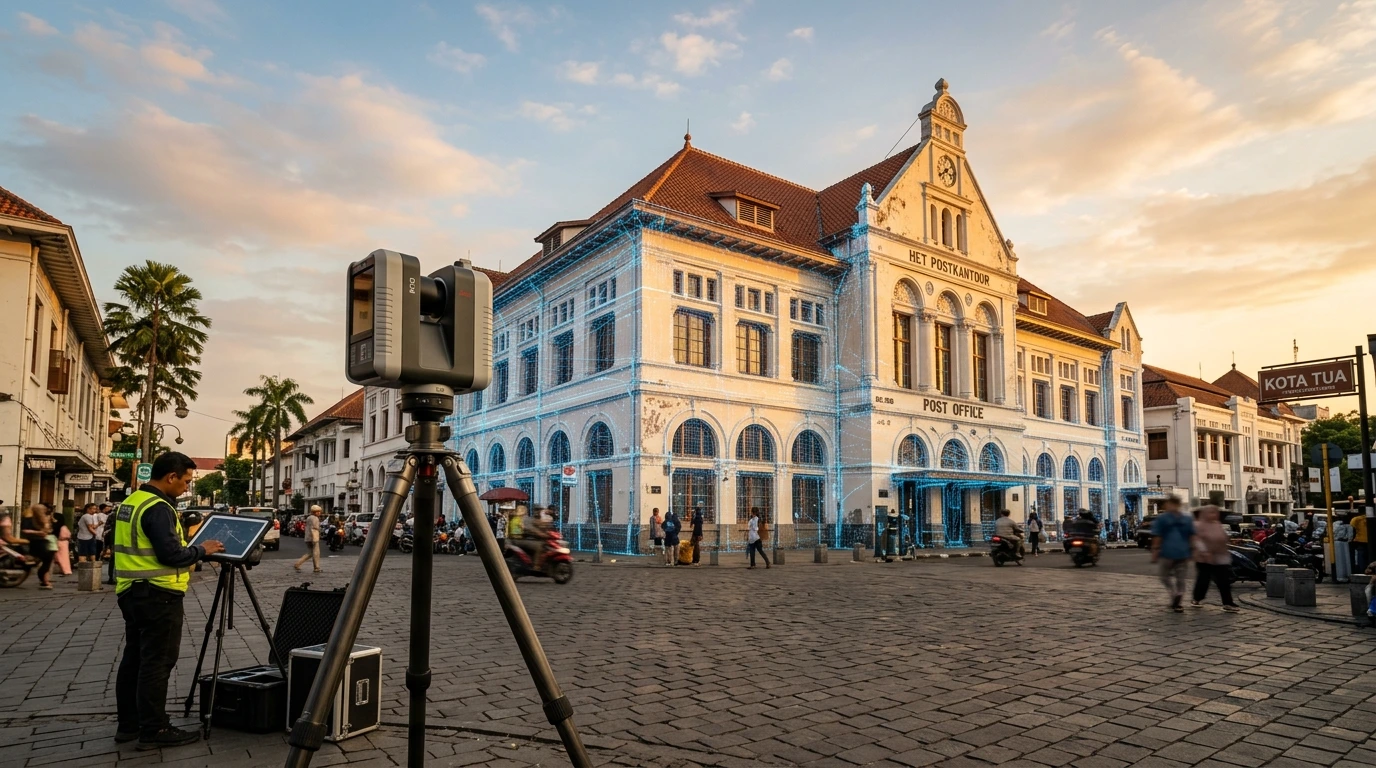
Figure 1. 3D laser scanning process on the facade of a historic colonial building.
This image serves as an opening visual that shows the essence of BIM Scanning: a laser scanner records the facade of a heritage building, while a point cloud line illustrates how the physical data of the building is converted into digital data.
What is BIM Scanning??
BIM Scanning, also known as Scan to BIM, is the process of transforming a building's existing condition into a BIM model based on scanned data. The process begins by capturing the building using a terrestrial laser scanner (TLS), LiDAR drone, or photogrammetry. The result is a point cloud, consisting of millions to billions of 3D coordinate points that realistically represent the building's surface.
The point cloud is then registered, cleaned, and used as a reference for modeling building elements in BIM software such as Autodesk Revit or ArchiCAD. The resulting model not only contains geometric shapes but also contains information such as material type, damage status, construction period, renovation history, and conservation records.
Getting to know HBIM (Heritage/Historic BIM)
When BIM is applied specifically to historic buildings, the approach is known as HBIM. Unlike BIM for new buildings, which begins with design, HBIM begins with the actual condition of the building and focuses on recording historical value, unique ornamentation, and deformations that have occurred over time.
Why Do Cultural Heritage Buildings Need BIM Scanning?
Heritage buildings have very different characteristics than modern ones. Walls are rarely perfectly perpendicular, floors can sag, and ornaments are hand-crafted by craftsmen of the past. The original working drawings are often lost or no longer reflect site conditions. Here are the main reasons why BIM scanning is so essential.
1. Precision Documentation Without Touching the Building
Manual measurements with tape measures and ladders risk damaging fragile elements, such as lime plaster, wood carvings, or stained glass. Laser scanning is non-contact, allowing the entire surface to be captured without the need for touching or installing any equipment. Its accuracy far exceeds conventional methods, typically within a few millimeters, depending on the instrument type and scanning distance.
2. Permanent Digital Archives as Cultural Heritage "Insurance"
Point cloud data and HBIM models serve as digital archives that can be stored for decades. If a building is ever damaged by a disaster, this data serves as the most reliable reference for reconstructing it to its original form.
When Notre-Dame Cathedral in Paris burned down in April 2019, laser scan data recorded years earlier by architectural historian Andrew Tallon became a crucial reference in the restoration process. This case demonstrates how digital documentation created today can be a lifesaver in the future.
“We cannot prevent every disaster, but we can ensure that when disaster strikes, the original forms of our heritage are not lost with it.”
3. Analysis of Structural Condition and Damage
From the point cloud, a team of experts can perform deviation analysis to identify wall tilt, beam deflection, cracks, or foundation settlement. With regular scans, small year-over-year changes can be detected early, allowing for corrective action before damage becomes fatal.
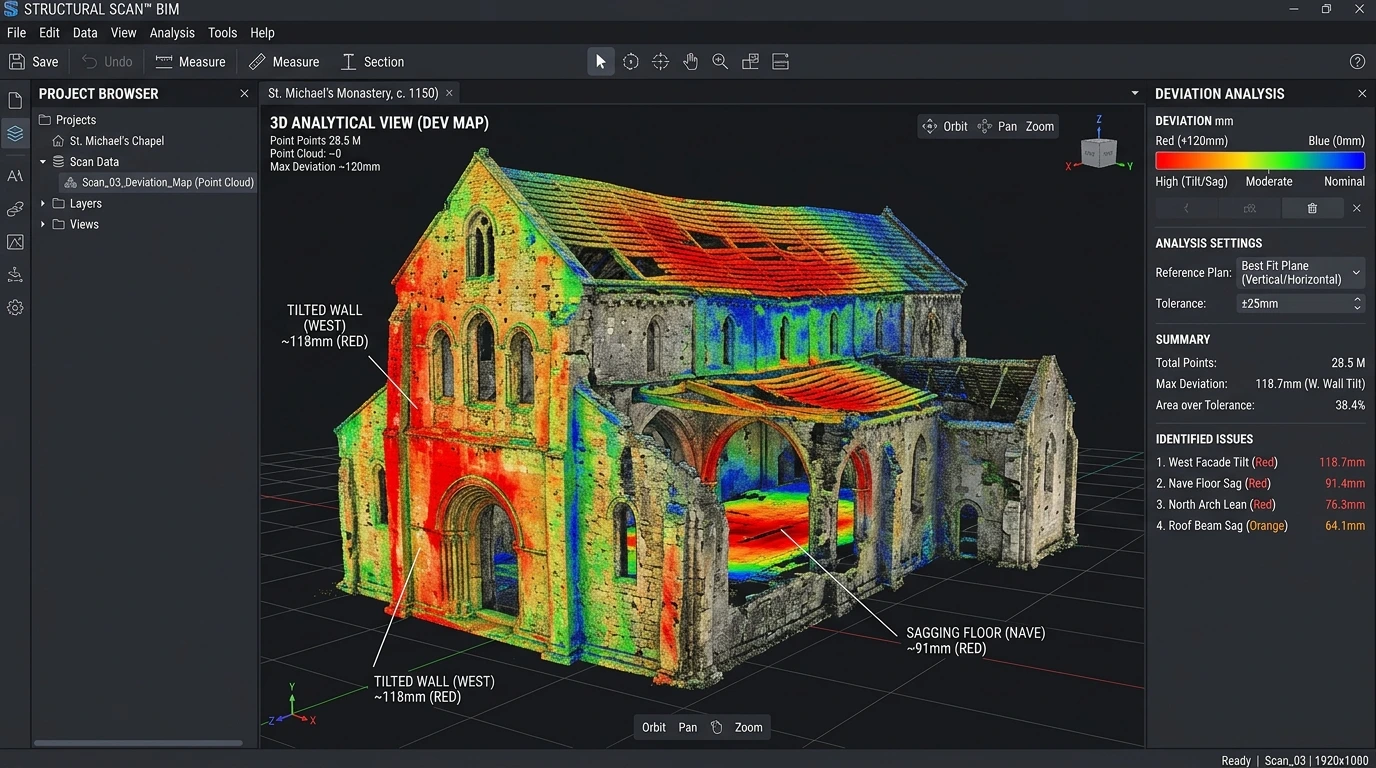 Figure 2. Point cloud deviation analysis to detect slope and deformation of building elements.
The blue to red color gradient indicates the degree of deviation of building elements from their ideal plane. This visual helps readers understand how BIM Scanning is used to objectively and measurably assess structural conditions.
4. More Accurate Restoration and Revitalization Planning
Heritage building revitalization projects often face challenges in the field because designs are based on inaccurate drawings. With HBIM modeling, architects, structural engineers, and MEP teams can precisely design interventions such as adding fire protection systems, new electrical installations, or structural reinforcements without damaging historic elements. Clash detection also helps avoid clashes between new systems and the building's original elements.
Attention
Interventions on heritage buildings without accurate existing data risk compromising the building's authenticity. Demolition errors in original elements are often irreversible, so precise documentation is essential before physical work begins.
5. Supporting Conservation Regulation and Governance
In Indonesia, the preservation of cultural heritage is regulated by Law Number 11 of 2010 concerning Cultural Heritage, which emphasizes the protection, development, and utilization of cultural heritage. Any restoration effort must maintain the authenticity of the form, materials, layout, and construction techniques. A comprehensive and well-documented HBIM model facilitates the preparation of technical studies, restoration documents, and communication with cultural heritage expert teams and local governments.
6. Education, Tourism, and Digital Twin
3D models of heritage buildings can be used for virtual tours, augmented reality applications, digital museums, and even as educational materials for history and architecture. In the long term, HBIM models can also be developed into digital twins connected to sensors to monitor temperature, humidity, and vibration in real time, allowing for more planned building maintenance.
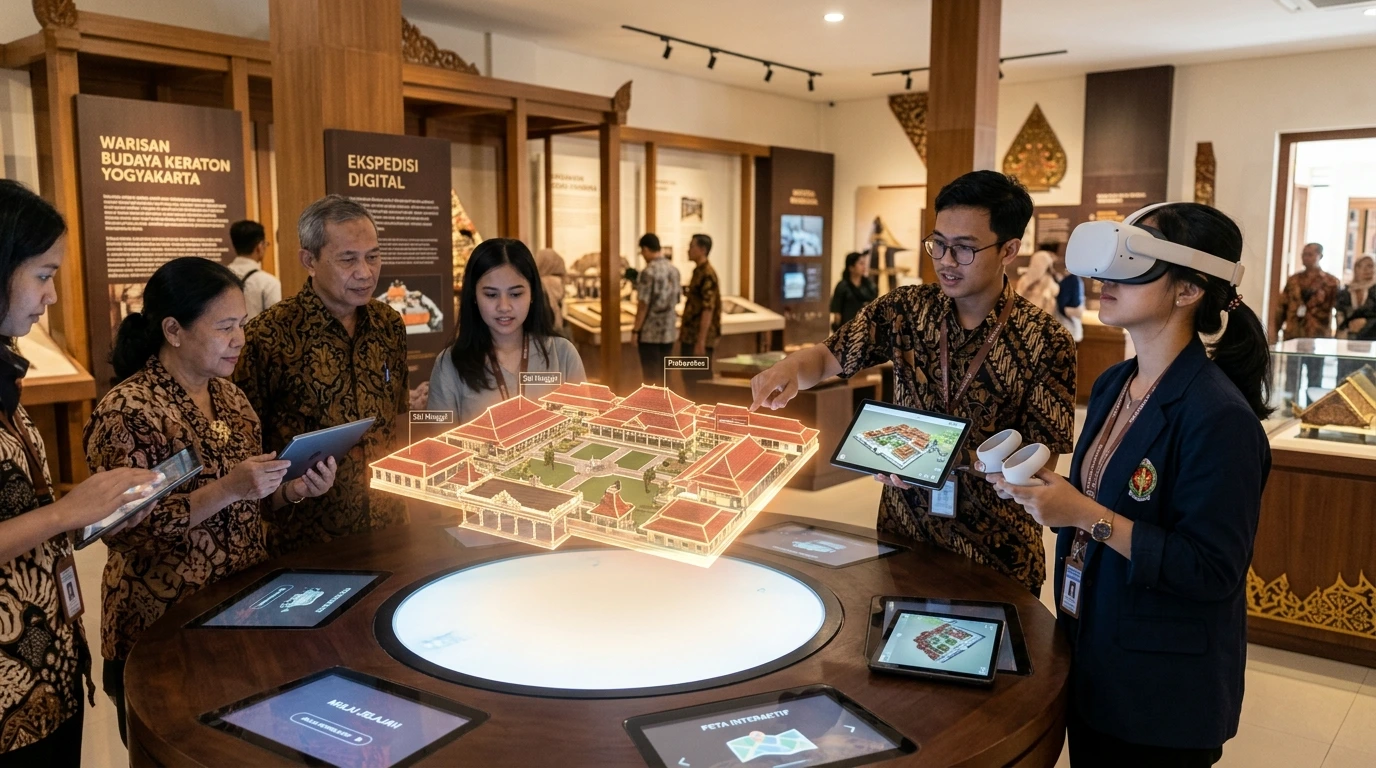
Figure 3. Utilization of the HBIM model for virtual tours and public education.
This image illustrates the added value of BIM Scanning beyond the technical aspects of construction: digital models of heritage buildings can be enjoyed by the public through VR and AR technologies, thus expanding the reach of education and promotion of cultural tourism.
BIM Scanning Process Stages for Heritage Buildings
To ensure accurate and useful results, BIM scanning for cultural heritage buildings requires a structured process. The general process is as follows:
- Initial survey and planning – determining the purpose of documentation, the level of detail (LOD) required, scanning points, and coordinating permits with cultural heritage managers.
- Field data acquisition – scanning using terrestrial laser scanners for interiors and facades, drones for roofs and hard-to-reach areas, and high-resolution photos for textures and ornaments.
- Point cloud registration and processing – unifying all scan results into a single coordinate system, cleaning noise, and performing accuracy quality control.
- HBIM Modeling – building architectural, structural, and ornamental elements in BIM software, including creating families or custom objects for unique elements.
- Information (attribute) input – entering material data, damage conditions, historical periods, and conservation notes into each model element.
- Deliverables and utilization – produce 2D drawings (plans, elevations, sections), 3D models, condition reports, and data for restoration planning or asset management.
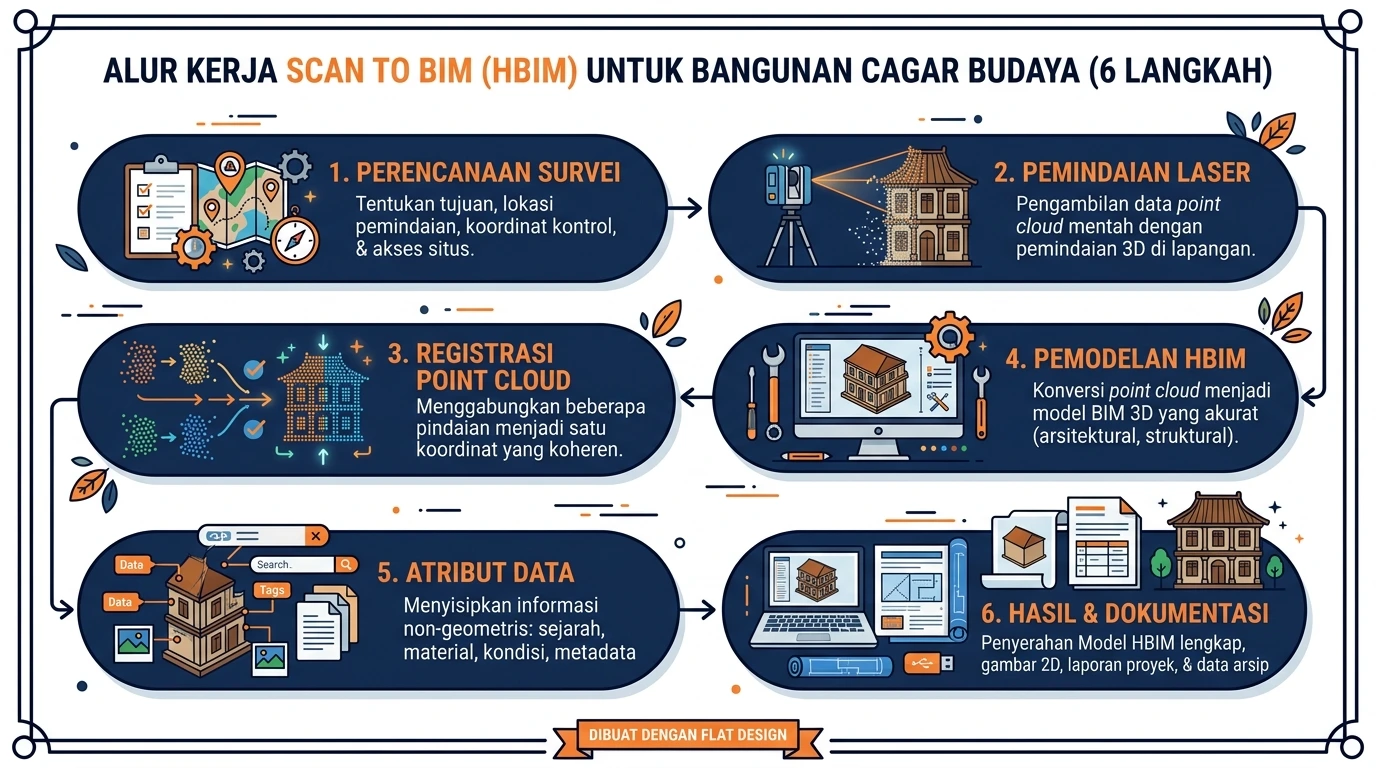
Figure 4. Scan to BIM workflow for heritage buildings from survey to deliverables.
This infographic summarizes the six stages of BIM Scanning visually so that readers can quickly understand the workflow, from planning the survey in the field to the final results that are ready to be used.
Determine the LOD from the outset. For general archival and planning purposes, an LOD of 200–300 is generally sufficient. However, for detailed ornamental restoration or replication of missing elements, a higher LOD, along with texture data from photogrammetry, is required.
Challenges in Implementing BIM Scanning for Cultural Heritage
Despite its significant benefits, implementing BIM scanning in heritage buildings is not without challenges. Some of these include:
- Complex and irregular geometries – ornaments, carvings and curves require special modeling techniques that are not available in standard BIM libraries.
- Very large data sizes – large building point clouds can reach hundreds of gigabytes, requiring adequate hardware and data management.
- Access and permits – some areas of cultural heritage buildings have limited access and require special permits from the management.
- Competent human resources required – the team must understand not only scanning and BIM technology, but also the principles of conservation and the historical value of buildings.
These challenges can be overcome by partnering with experienced BIM consultants who have adequate scanning equipment, proven workflows, and an understanding of the character of heritage buildings in Indonesia.
BIM Scanning as a Long-Term Investment
Many heritage building managers still view digital documentation as an added expense. However, when calculated holistically, BIM scanning actually saves money in the long run: reducing design errors, speeding up permitting and restoration processes, minimizing rework in the field, and providing data that can be reused repeatedly for various purposes.
“Preserving heritage buildings means preserving stories. And well-documented stories will live on, even as the buildings age.”
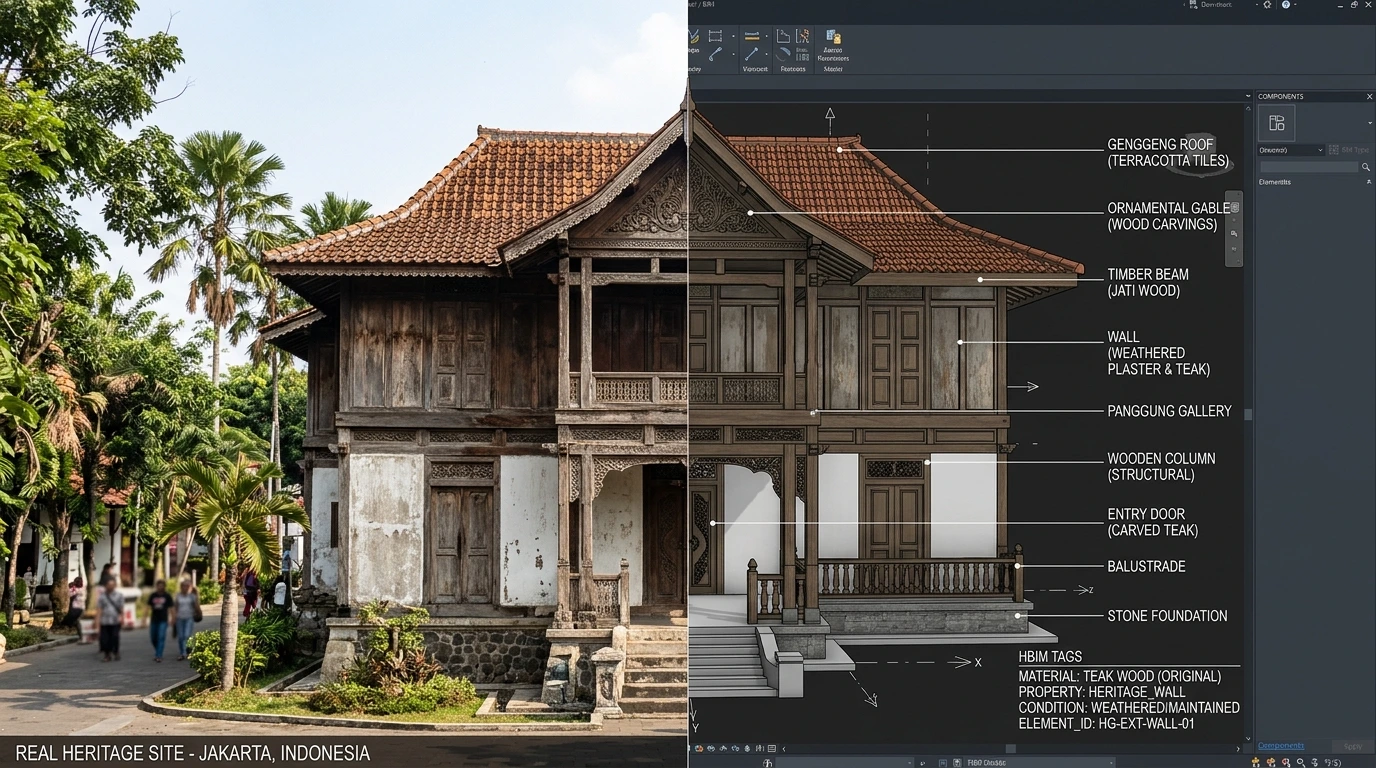
Figure 5. Comparison of the actual condition of heritage buildings with the HBIM model resulting from BIM Scanning.
This comparison image shows the final result of BIM Scanning: an aging physical building now has a precise, information-rich digital twin, ready to be used as a basis for long-term maintenance, restoration, and preservation.
Conclusion: It's Time to Preserve Heritage with Technology
Heritage buildings and cultural heritage are irreplaceable. Once damaged or lost, their authenticity can never be fully restored without accurate data. BIM Scanning addresses this need by providing precise, non-destructive documentation, permanent digital archives, objective structural condition analysis, more accurate restoration planning, support for preservation regulations, and opportunities for educational and tourism use.
The Scan to BIM and HBIM approaches are not just technological trends, but strategic steps to ensure that future generations can continue to recognize, study, and enjoy the nation's architectural heritage. The sooner documentation begins, the greater our chances of preserving precious details that may have already begun to erode over time.