
Skip to Content

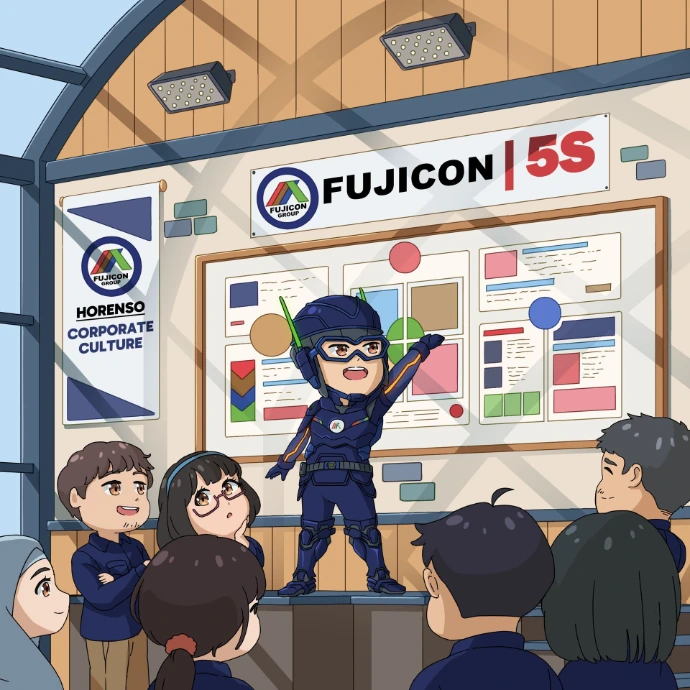
At Fujicon, we fully implement the 5S methodology as part of our company culture, ensuring an organized, efficient, and safe work environment. 5S is a Japanese management method focused on creating a cleaner, more organized, and efficient work environment. This concept was first applied in the Toyota Production System (TPS) and has proven to increase productivity and reduce waste across various industries.

5S: Creating Efficiency,

Order, and Excellence
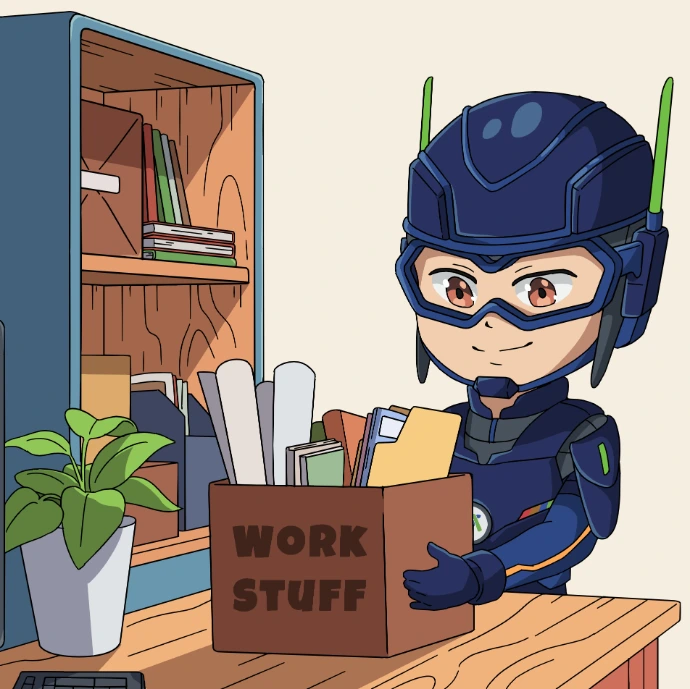
Seiri (Sorting)

Sorting Digital Work Information and Equipment

In the context of consulting, Seiri means sorting information, digital files, equipment, and project resources to only include what is truly relevant and needed. Examples:

Deleting old project documents that are no longer relevant.
Cleaning work folders and emails of spam or duplicate files.
Sorting work equipment (such as BIM software, IDEs, plugins, design templates) so that only what is actually used is available.

🔍 Goal: To enhance focus, work efficiency, and avoid confusion caused by too much information or unused applications.
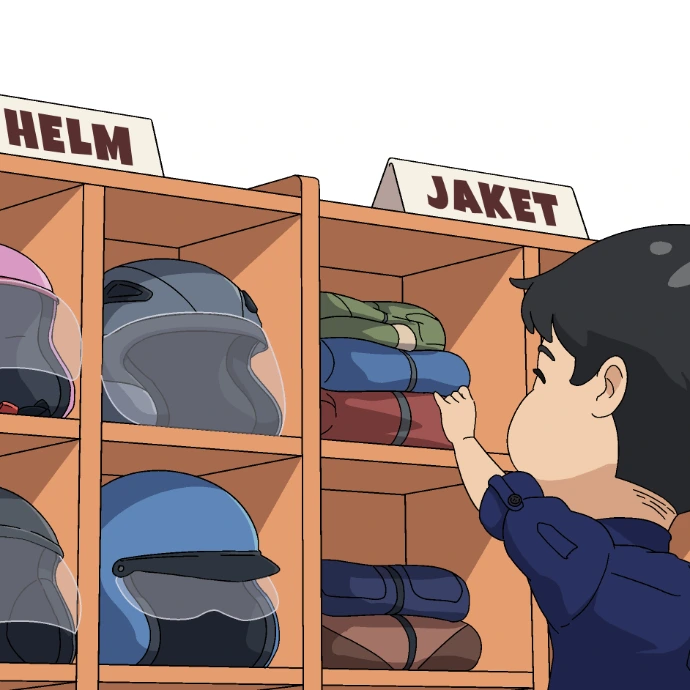
Seiton (Organizing)

Structuring Work Systems and Processes.
Once the information and equipment are sorted, it's time to organize the work system:

Developing a consistent and easily searchable project folder structure.
Standardizing templates for presentations, reports, or technical documents.
Organize project schedules and task distribution using project management tools (e.g., ClickUp, Jira, Notion, or Odoo).

📁 Goal: All staff can quickly find information, avoid duplication, and accelerate cross-division collaboration (IT, BIM, Multimedia).
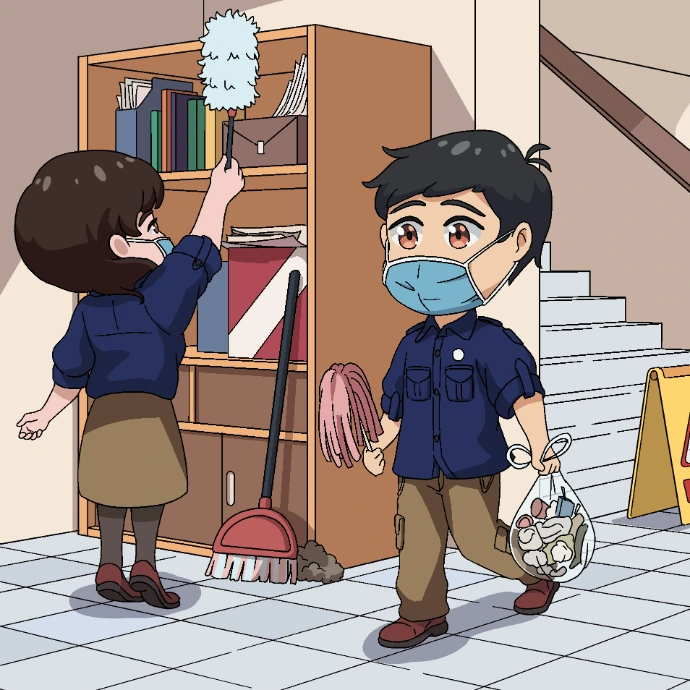
Seiso (Cleaning)

Digital Cleanliness and Physical Workspace

In the consulting world, cleanliness is not just about the workspace but also about digital cleanliness and the work environment:

Clean your laptop of outdated files, cache, or resource-heavy applications.
Ensure devices (laptops, tablets, cameras, drones, etc.) are in good condition.
Keep the workspace tidy, comfortable, and representative, especially when receiving clients or during hybrid meetings.

🧼 Goal: Enhance professionalism, maintain device performance, and foster enthusiasm and comfort at work.
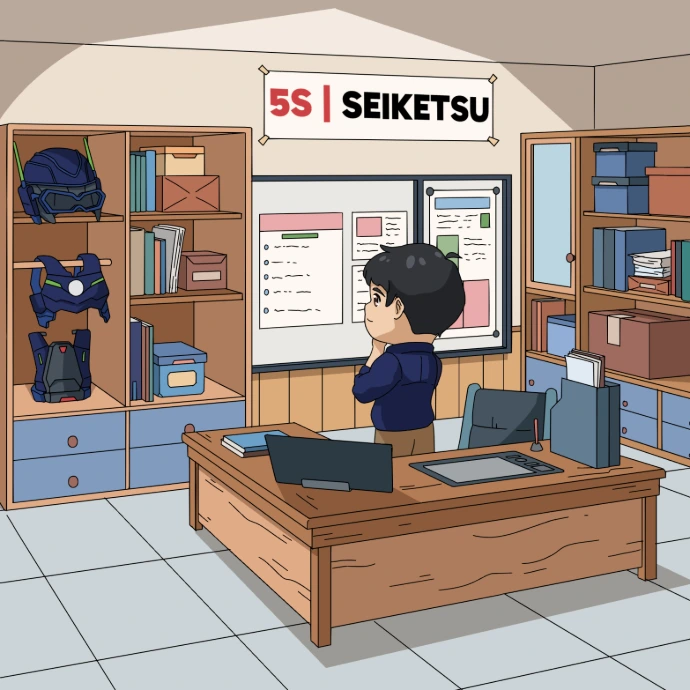
Seiketsu (Standardization)

Standardization of Consultant Work Practices

This stage emphasizes the importance of documentation and standard operating procedures (SOP) to ensure consistent work quality:

SOP for data processing, BIM modeling, software bug tracking, or proposal submission.
Guidelines for digital document archiving.
Checklist for client meetings, presentations, and project implementation stages.

📐 Goal: Maintain service quality, team work efficiency, and facilitate the integration of new staff or inter-division collaboration.
Shitsuke (Discipline)

Building a Tidy and Professional Work Culture

This is the most important phase: making the 5S habits a part of the company culture.

Maintaining commitment to SOPs and project quality standards.
Encouraging accountability among team members.
Recognizing consistency and the team's contributions to efficiency.

🎯 Goal: To foster a disciplined professional culture that is quality-conscious and ready to consistently meet client demands.